Why Sticker-Pack Posts Outperform on Social (And How Creators Use Them)
Published

Why Sticker-Pack Posts Outperform on Social (And How Creators Use Them)

'I made stickers of my boyfriend' posts reliably outperform on visual platforms. The anatomy of the format: grid covers, relationship hooks, and the commission funnel.

Scroll any visual platform and you'll spot the pattern: "I made a sticker pack of my boyfriend/mom/dog" posts pull outsized engagement. The mechanics are simple — 12-sticker grids make loud covers, relationship subjects carry emotional charge, and every viewer has someone they'd make one for. Here's the format, decomposed for creators.

Why the format wins

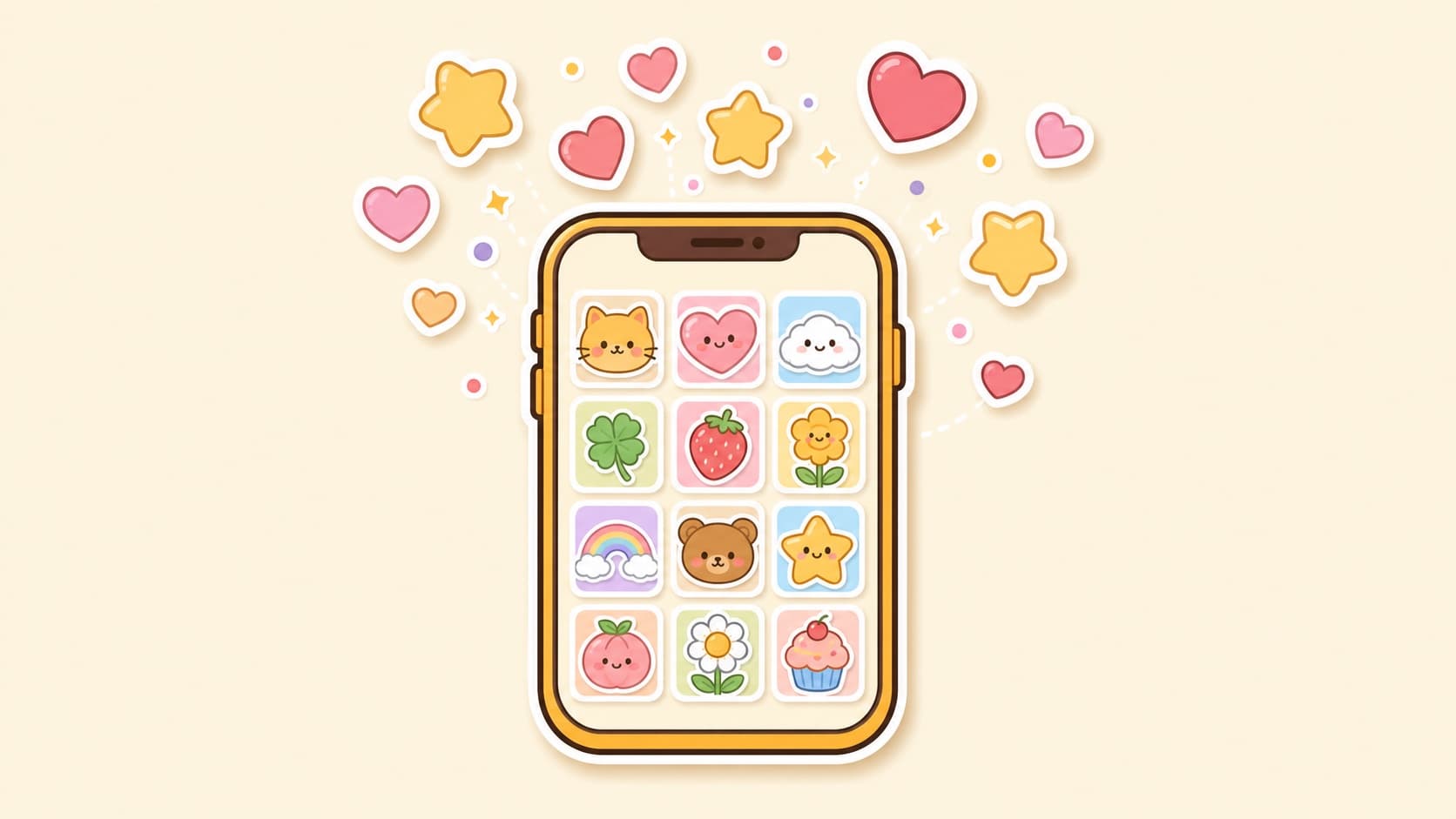
  1. The cover IS the content: a 12-expression grid is dense, expressive, and stops thumbs
  2. Relationship hooks: "for my mom" / "for my girlfriend" invites "make one for me" comments automatically
  3. Zero explanation needed: everyone already uses stickers

The repeatable topic formula

"I made a [occasion] sticker pack for [person]", ranked by proven demand:

Production-side, every topic is the same pipeline — one photo to a full pack — so daily posting is actually sustainable.

Post anatomy

  1. Cover: the 12-sticker grid
  2. Slides 2-3: original photo vs sticker side-by-side (the "whoa" source)
  3. Slides 4+: close-ups of 2-3 best stickers
  4. Caption: one-line story open ("year 3 of long distance, so I made him a pack of me") + light process + comment bait ("who would you make one for?")

The funnel, honestly

Engagement → "make me one" comments → either commissions ($10-30/pack; pricing in the economics guide) or tutorial content that compounds into an audience. No link spam — reply naturally in comments.

What not to do

  • No celebrity subjects, however tempting (the legal reality)
  • Commission photos must come from the client, with consent
  • Don't fake income screenshots; audiences reward the honest version

Make one and post it →

Kaka DocsAPI docsFAQTermsPrivacyRefunds[email protected]